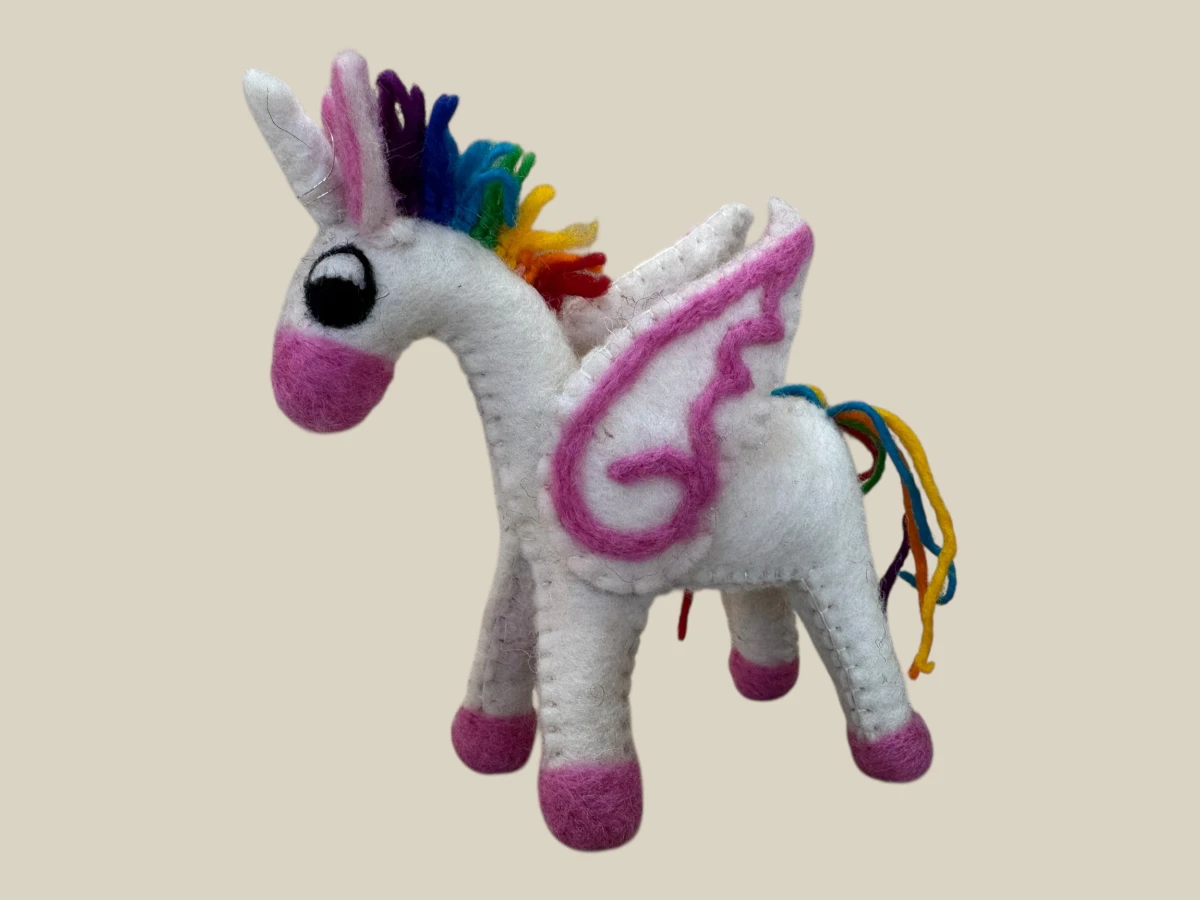
If you look closely, something interesting is happening in the pet industry. It’s not just big brands or high-tech toys growing. A very specific niche is quietly taking off. Felt pet toys. Especially in the wholesale market.
At first it sounds small. But when you connect the dots, it actually makes a lot of sense.
Let’s break it down properly.
The Bigger Picture: The Pet Toy Market Is Booming
Before we talk about felt toys, you need to understand the base market.
The global pet toys industry is already massive and still growing fast. In 2023 alone, it was worth around $8.8–$9.6 billion, and it is expected to reach $16–17 billion in the next few years.
That’s almost doubling.
Some important signals from the data:
- Pet toy demand is growing at 7%–9% annually
- Cat toy segment is growing even faster at around 9%+ CAGR
- Dogs still dominate, but cats are catching up quickly
- North America and Europe are leading, but Asia is rising fast
This is not just growth. This is expansion across regions and categories.
Why People Are Spending More on Pet Toys
Now here’s the real reason behind the growth.
It’s something simple.
People treat pets like family now.
This trend is called “pet humanization,” and it’s one of the biggest drivers of the market.
What does that actually mean?
- Pets are getting birthday gifts
- Owners buy toys for mental stimulation
- People care about safety and materials
- Spending per pet is increasing
Also, around 66% of U.S. households own a pet, which shows how big the base is.
So naturally, more pets means more toys. But not just any toys.
Better toys.
Where Felt Pet Toys Enter the Scene
Now this is where things get interesting.
Felt pet toys sit at the intersection of three major trends:
1. Eco-friendly products
Consumers are actively looking for sustainable options.
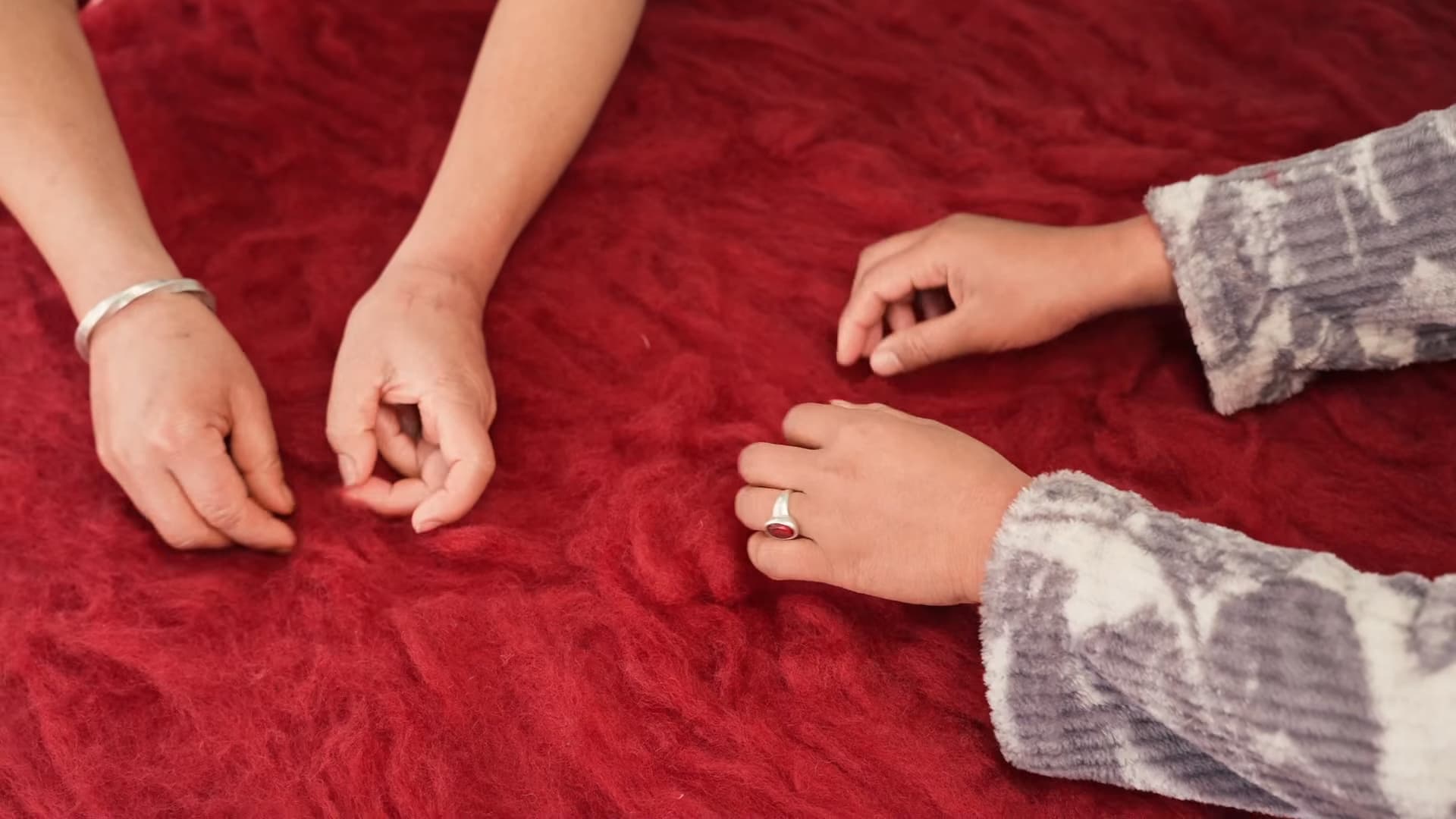
- Wool felt is biodegradable
- No plastic waste
- Natural dyes and fibers
And the data clearly shows that demand for eco-friendly pet toys is rising globally.
2. Handmade and artisanal products
People are moving away from mass-produced items.
Felt toys are:
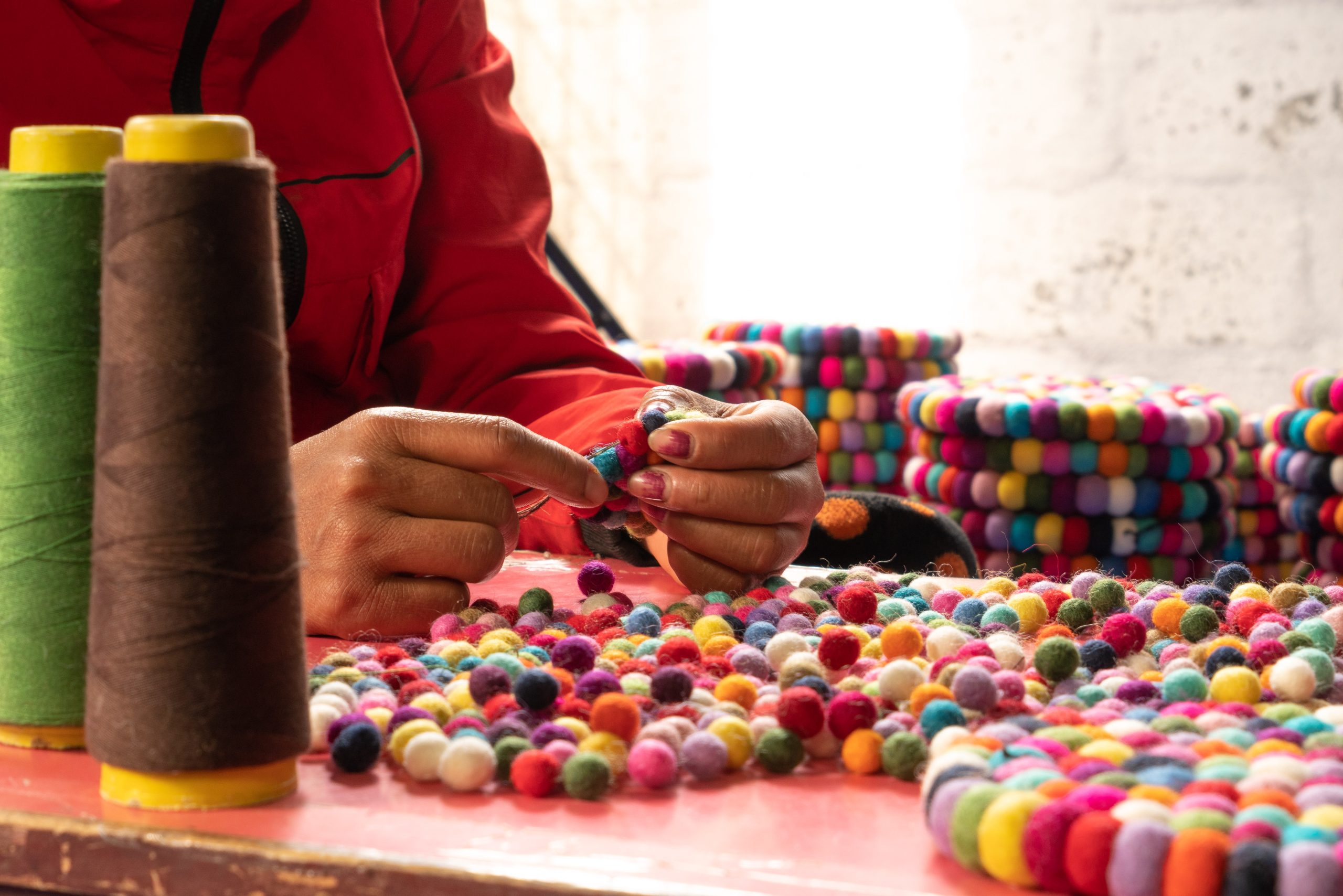
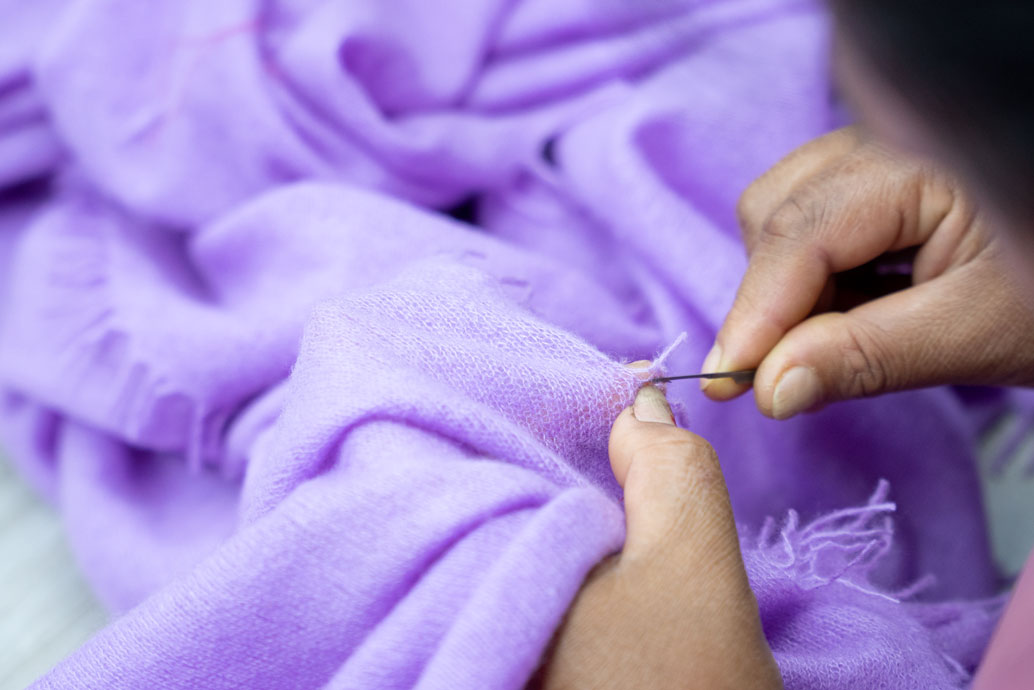
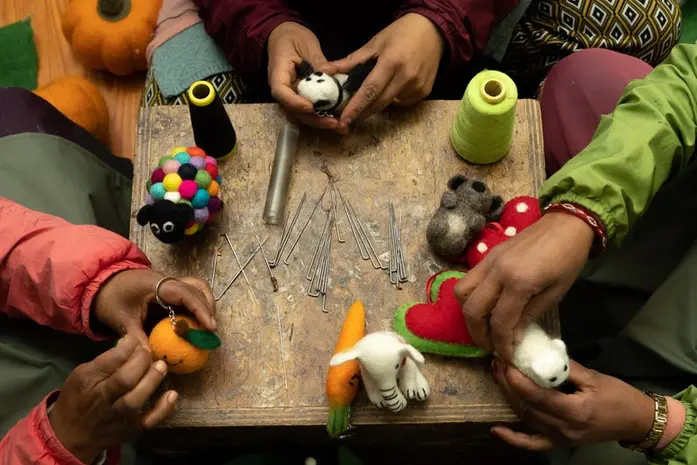
- Handmade
- Unique in design
- Often produced in small batches
That gives them a premium feel even when sold wholesale.
3. Soft, safe, and functional
Plush and soft toys are already popular, especially for cats.
- Around 59% of cat owners buy plush toys
- Felt fits perfectly into this category
- Safe for chewing and playing
And if you look at the broader plush toy market, it’s also growing fast, expected to reach $25+ billion globally.
So felt toys are basically riding a wave that is already strong.
Why Wholesale Buyers Are Paying Attention
Now let’s shift to the business side. This is where you should really pay attention.
Wholesale buyers are not emotional. They look at:
- Margins
- Demand consistency
- Product differentiation
Felt pet toys tick all three.
✔ High perceived value
Even though production cost is moderate, felt toys can be sold as:
- Eco-friendly
- Handmade
- Ethical
That increases retail price.
✔ Strong storytelling
Retailers love products they can “sell a story” with.
For example:
- Made from natural wool
- Handmade by artisans
- Sustainable sourcing
This is very powerful in markets like the US and Europe.
✔ Easy to bundle and scale
Felt toys are:
- Lightweight
- Easy to ship
- Suitable for sets and bundles
Wholesale buyers can easily create:
- Gift boxes
- Subscription boxes
- Seasonal collections
Real-World Example: Why Countries Like Nepal Benefit
This part is often ignored, but it matters.
Countries like Nepal, India, and parts of Southeast Asia already produce felt products at scale.
These regions have:
- Skilled artisan workforce
- Access to wool
- Lower production costs
For example, many manufacturers already produce handmade wool felt dog and cat toys, balls, and decorative itemsfor export.
So the supply side is already ready.
And global demand is increasing.
That combination creates a perfect opportunity.
What’s Driving This “Explosion” Right Now
Let’s summarize the exact reasons this niche is growing so fast:
Demand-side drivers
- Rising global pet ownership
- Pet humanization trend
- Growth of e-commerce and DTC brands
- Demand for eco-friendly products
Product-side advantages
- Natural and safe materials
- Handmade uniqueness
- Soft toys already popular
Business-side advantages
- High margins for retailers
- Strong branding potential
- Easy wholesale scalability
When all three align like this, a niche doesn’t just grow.
It explodes.
What This Means for Wholesale Buyers and Sellers
If you’re thinking from a business perspective, here are some very real takeaways.
For wholesalers and exporters
- Focus on design differentiation, not just production
- Build eco-friendly certifications or proof
- Offer low MOQ bundles to attract new buyers
For retailers
- Position felt toys as premium eco products
- Use storytelling in product pages
- Bundle products to increase cart value
For new entrepreneurs
- This niche is still early in many markets
- You don’t need huge capital to start
- Branding matters more than scale in the beginning
Final Thoughts
Felt pet toys are not just a trend. They are part of a bigger shift.
People are changing how they treat pets. They are also changing how they buy products. More conscious. More emotional. More value-driven.
And when those behaviors meet a product like felt toys, something clicks.
It doesn’t feel like a commodity anymore. It feels like something meaningful.
That’s why this niche is growing.
And honestly, it still feels like it’s just getting started.