(And Why Most Wholesale Buyers Still Get It Wrong)
Most “trend reports” are useless.
They tell you what is selling, but not:
- why it’s selling
- how long it will last
- whether you should even touch it
So buyers end up chasing trends… late.
This guide is different. It’s built around what’s really happening on the ground—how buyers think, how products move, and where money is actually made (and lost).
1. The First Truth: Best-Sellers Are Usually Boring
Here’s something most suppliers won’t tell you:
The products that sell the most are rarely the ones buyers get excited about.
Example (Rugs):
- Buyers say they want bold designs
- They buy beige, off-white, muted patterns
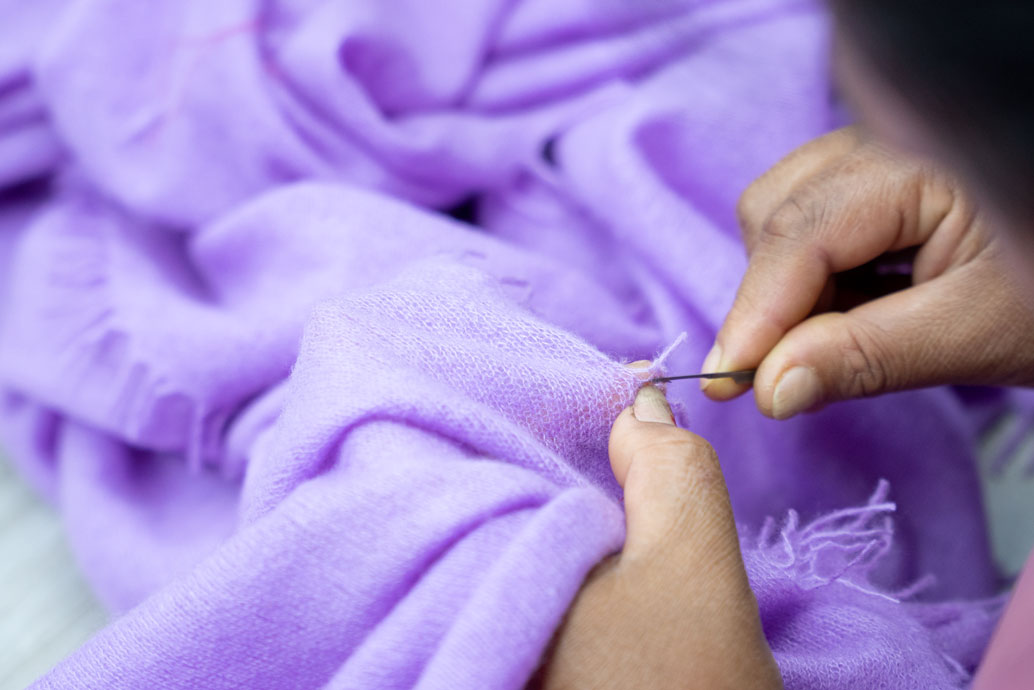
Example (Pashmina):
- They admire detailed embroidery
- They reorder plain neutrals
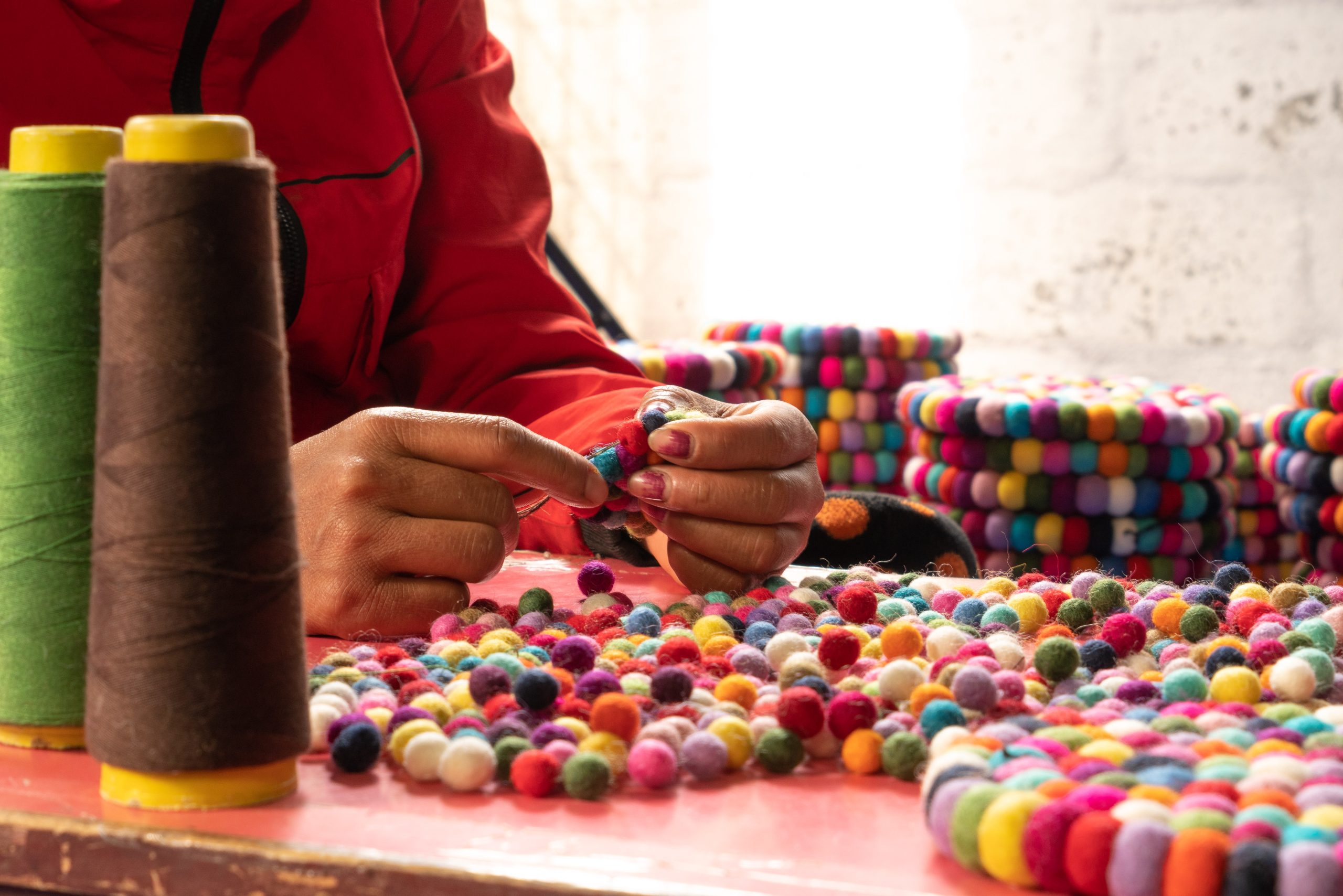
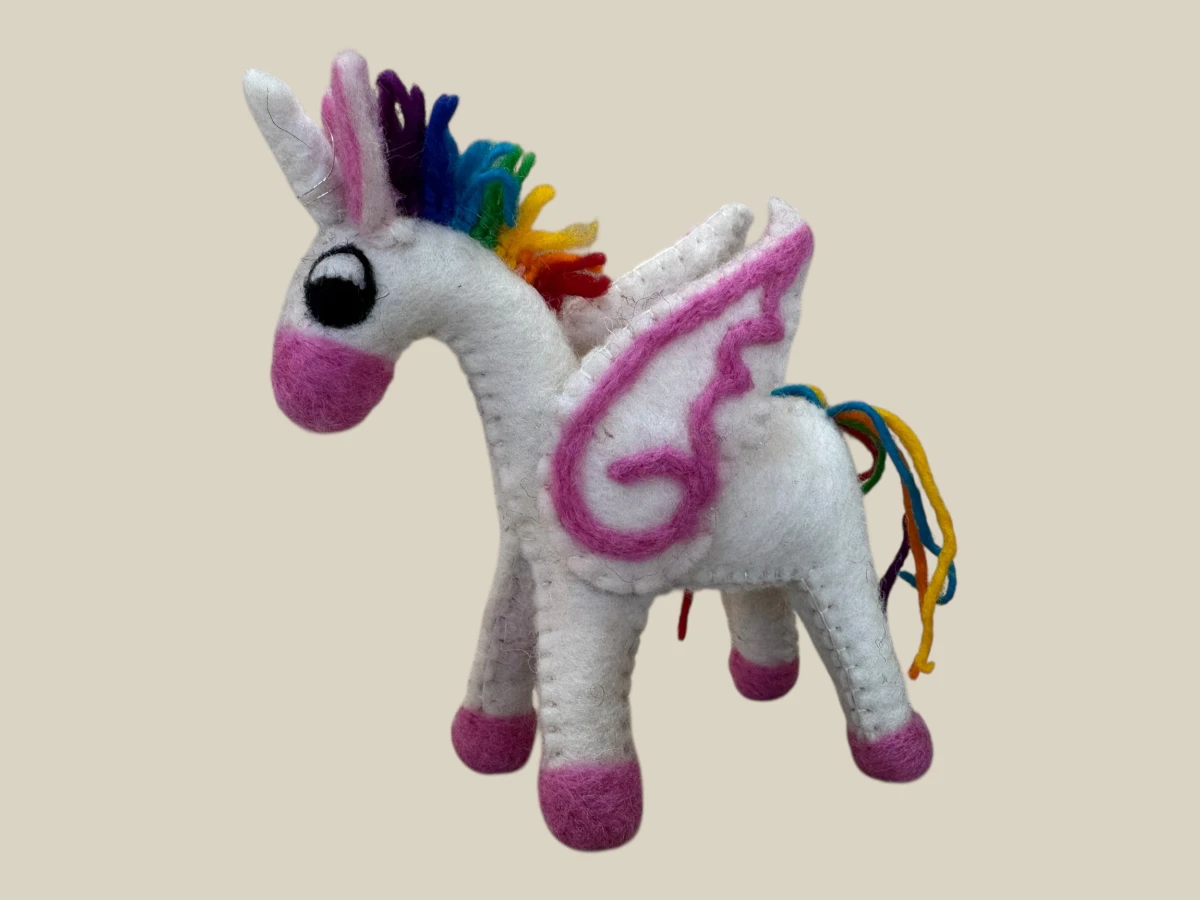
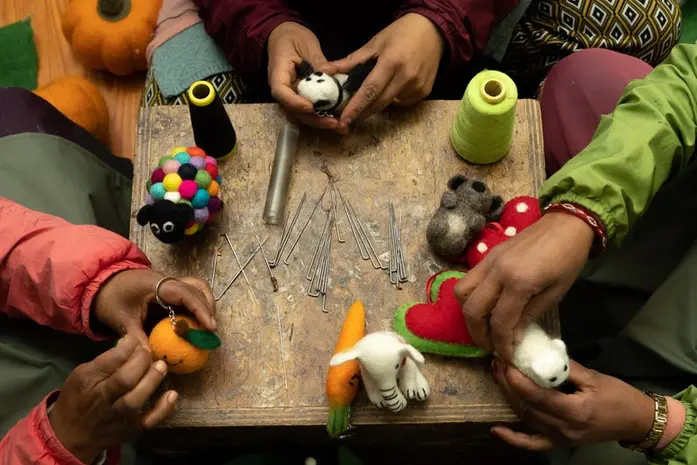
Example (Felt):
- Creative pieces get attention
- Storage baskets pay the bills
Why?
Because your buyer is not the end customer.
They’re thinking:
- “Will this sit in my warehouse?”
- “Can I reorder this safely?”
- “Will this return rate kill me?”
Insight:
If a product feels slightly boring but safe—it’s probably a strong wholesale item.
2. There Are 3 Types of “Demand” (Most People Confuse Them)
This is where most sourcing goes wrong.
1. Visual Demand (Instagram Demand)
- Looks great
- Gets attention
- Rarely converts at scale
2. Retail Demand
- Actually sells in stores
- Moves steadily
- Has repeat orders
3. Catalog Demand (Most Important)
- Buyers pick it again without thinking
- Easy to reorder
- Becomes a long-term SKU
What’s selling globally right now?
Mostly Category 2 and 3, not Category 1.
3. Rugs: The Quiet Shift Nobody Talks About
Everyone talks about “sustainable rugs.” That’s not the real shift.
The real shift is this:
Buyers are moving from “design-first” to “risk-first.”
What does that mean?
Before:
- “Does this look good?”
Now:
- “Will this sell without effort?”
What’s working right now:
- Slightly textured neutrals
- Imperfect, handmade-looking finishes
- Designs that don’t dominate a room
What’s quietly dying:
- Over-designed patterns
- Strong color contrasts
- “Statement” rugs for mass buyers
Because statement rugs:
- Photograph well
- Sit in inventory
4. Pashmina: The Truth About “Luxury”
Let’s be honest—most buyers don’t fully understand pashmina.
And they don’t need to.
What’s actually happening:
There are two parallel markets:
Market A: “Story Luxury”
- Real pashmina
- Heritage, origin, craftsmanship
- Sold through storytelling
Market B: “Usable Luxury”
- Softer blends
- Consistent feel
- Easier pricing
Guess which one sells more volume?
Market B.
Guess which one builds brand value?
Market A.
Smart buyers don’t choose one.
They:
- Use Market B for cash flow
- Use Market A for positioning
5. Felt Products: The Hidden Game Is Not Design
Most people think felt is a design category.
It’s not.
It’s a logistics category disguised as design.
Why felt sells:
- Lightweight
- Stackable
- Low breakage
- Easy to bundle
What actually drives orders:
Not:
- “This looks nice”
But:
- “I can ship 500 pieces cheaply”
- “This fills shelf space well”
- “This works as a gift item”
Real best-sellers:
- Storage baskets
- Neutral kids items
- Seasonal SKUs with predictable cycles
Not the “creative” ones.
6. Singing Bowls: Small Category, High Misunderstanding
This is one of the most misunderstood categories.
People think it’s about sound quality.
It’s not—at least not in wholesale.
There are 3 buyer types:
- Spiritual buyers (small volume, high sensitivity)
- Gift buyers (largest segment)
- Decor buyers (silent majority)
What sells most?
Gift-ready sets.
Not individual bowls.
Because:
- Easier to price
- Easier to display
- Easier to sell online
7. The Real Trend: Buyers Are Getting More Risk-Averse
This is the biggest shift across all categories.
Not sustainability.
Not handmade.
Risk reduction.
What buyers want now:
- Predictable sellers
- Lower MOQ testing
- Faster restocking
- Fewer surprises
What they avoid:
- “Experimental” SKUs
- Inconsistent handmade variation
- Complex customization without clarity
8. Seasonality Is Not What You Think
Most guides say:
- Q1: light products
- Q4: heavy products
That’s surface-level.
Real insight:
Buying decisions are emotional. Ordering decisions are strategic.
Example:
- A buyer discovers rugs in March
- But orders in July
- To sell in October
So if you’re only reacting to seasons—you’re late.
You need to think:
“What are buyers planning right now, not selling right now?”
9. The SKU Trap (This One Hurts Most Buyers)
Many buyers fail here.
They keep adding new designs.
What actually works:
A small number of SKUs that:
- Reorder consistently
- Are slightly adjustable
- Cover multiple use cases
The winning strategy:
- 20% of products = 80% of revenue
- Everything else = testing
But most buyers do the opposite.
10. The Biggest Mistake Suppliers Make
They try to show too much.
Too many designs
Too many options
Too much “creativity”
Buyers don’t want that.
They want:
- Edited collections
- Clear best-sellers
- Guidance
Sometimes the best thing you can do is say:
“Don’t buy this one. This doesn’t move.”
That builds more trust than any catalog.
Final Thought (This Is the Real Takeaway)
What’s selling globally right now is not a specific product.
It’s products that feel:
- Safe to reorder
- Easy to understand
- Hard to mess up
That’s it.
Everything else like design, material and story comes after that.
Call to Action
If you’re sourcing for your next collection and want something more than just a catalog
We can show you:
- What actually reorders
- What buyers quietly drop
- What works in your specific market
Request the latest wholesale catalog from Jemu Home—and we’ll help you filter what not to buy as well.